

6 Strategies for Designing Impactful and Sustainable Grant Programs
- Sarah Murphy

- Nov 28, 2025
- 5 min read

Designing sustainable grant programs takes more than efficient fund distribution. It requires structure, clarity, and a commitment to relationships that outlast the funding cycle. The insights below offer a grounded look at how organizations can create programs that deliver results people can feel long after the checks are clear.
Key Takeaways
Build feedback loops that keep programs responsive
Treat grants as strategic partnerships, not transactions
Use continuous data collection to catch issues early
Monitor outcomes dynamically, not just at the end
Keep communities engaged to sustain long-term success
Use digital tools to strengthen accountability and learning
Feedback Loops Ensure Continuous and Authentic Progress

Real sustainability begins with listening. That idea runs through the first insight, where the focus is less on paperwork and more on people. When grant programs create meaningful feedback loops, they gain visibility into what’s actually happening on the ground. You start to see what numbers alone can’t show. It becomes easier to adjust before problems take root, and the relationship between funders and communities becomes more honest and connected.
"To maintain lasting outcomes, grant programs must integrate feedback loops. I believe periodic reflection helps refine methods and strengthen results. When organisations listen to those affected, they uncover insights no data alone can show. This habit of listening ensures continuous and authentic progress that builds trust and relevance over time.
Meaningful change happens when programs evolve through shared experiences. Regular feedback helps identify what truly works and what needs adjustment. It also empowers communities to become active partners in shaping better solutions. When organisations value dialogue and learning, they create programs that grow stronger, more inclusive and more effective with every cycle.”

Lord Robert Newborough, Founder/Owner
When organizations make reflection part of the routine, they reduce guesswork and avoid designing in isolation. This keeps programs flexible while building respect between those who fund and those who benefit. Over time, these conversations shape healthier, more sustainable grant programs aligned with real community needs.
Strategic Partnerships Foster Ecosystems of Sustainable Change
A sustainable grant program isn’t built around transactions. It’s built around clarity, shared purpose, and ongoing partnership. Here, the lesson is simple. When donors and grantees act as collaborators, not participants on opposite sides of an application portal, the work becomes steadier and more effective.
"From my experience working with grant-based initiatives, the key to designing impactful programs lies in treating grants not just as financial transactions but as strategic partnerships..."

Sovic Chakrabarti, Director
This approach encourages organizations to map out their theory of change before any money moves. It helps everyone understand how resources flow and what outcomes they’re meant to support. Also, when programs are built with transparency from the start, grantees feel trusted, and the review process feels more equitable.
The thread running through this insight is accountability without rigidity. When both sides commit to regular conversations, shared data, and honest storytelling, they create stronger systems where impact comes from consistent collaboration. These kinds of partnerships give sustainable grant programs the structure to hold up over time, even through staff changes or shifting economic conditions.
Continuous Data Collection Enables Early Intervention and Adaptation
Programs that collect data only at the end tend to learn too late. Sustainable grant programs avoid this by treating data as a living tool. They clarify metrics before funding begins and keep reporting simple so progress is easy to track without overwhelming smaller organizations.
"Organizations must start by defining the real-world problem and the specific change they expect their funding to create..."

Daria Turanska, Legal Manager
Early, consistent data makes it easier to catch small issues before they grow. It also helps funders offer support instead of waiting for final reports full of surprises. At the same time, the quote emphasizes sustainability past the grant period. Programs that survive long term are usually rooted in partnerships with local institutions, with clear legal flexibility and a plan for continued funding or community ownership.
This approach shifts the mindset from “Did you complete the checklist?” to “Is the work improving lives?” When both funders and grantees commit to simple shared metrics, sustainable grant programs become easier to manage and more likely to deliver lasting value.
Dynamic Monitoring Reveals Impact Beyond Initial Goals

Impact doesn’t unfold neatly. It grows in unexpected places. That’s why dynamic monitoring matters. Instead of relying on a single evaluation at the end, continuous relationships help funders spot outcomes that fall outside the original plan but offer real promise.
"Organizations often design grant programs for efficiency, focusing on the moment of funding..."

Mohammad Haqqani, Founder
The example shared in the quote highlights something powerful. Sometimes your biggest win isn’t in the final report. It might come from a casual check-in months later, when someone mentions a quiet success you didn’t anticipate. Those moments are easy to miss when evaluation is treated as a one-time assignment.
Dynamic monitoring respects the reality that communities evolve. New ideas surface. People adapt tools in ways grant designers never expected. When organizations stay connected long after the grant period ends, they build programs that continue to grow rather than fade out. It’s one of the clearest paths to designing truly sustainable grant programs.
Connection and Engagement Sustain Long-Term Program Impact
Many programs start strong, then slowly lose momentum once the first round of funding closes. Sustaining engagement is the antidote. When funders stay in real conversation with partners, programs remain grounded in actual needs instead of assumptions.
"Designing a grant program is the easy part. Making it work year after year is the real test..."
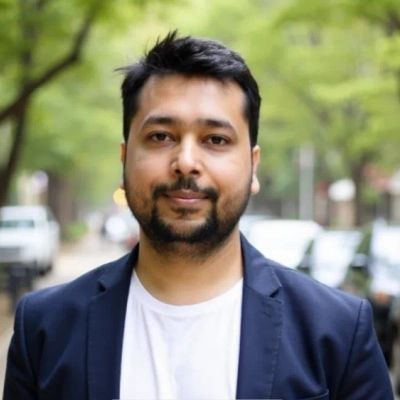
Ankit Sarawagi, Founder
This perspective highlights something often overlooked: simplicity keeps people involved. Simple reporting, clear planning, and regular check-ins reduce friction. They make it easier for partners to stay aligned and honest. Over time, this steady connection builds trust. When trust is high, people are more willing to share what’s working and what’s falling short.
Many grant programs struggle because they try to manage impact instead of cultivating relationships. Staying connected keeps programs alive long after the initial budget is spent. That’s the foundation of long-term sustainability.
Digital Tools Strengthen Partnerships Through Shared Accountability
Technology has become a practical way to make sustainable grant programs more efficient. It reduces administrative load, streamlines data sharing, and creates shared visibility so funders and grantees work from the same information.
"We believe that every grant should create a ripple effect of learning and empowerment..."

Christopher Pappas, Founder
Digital tools don’t replace people. They support them. When dashboards, interviews, and testimonials work together, they give a fuller picture of impact. This makes strategy conversations more grounded and helps both sides make decisions confidently.
With better systems, learning becomes part of the rhythm of the work, not an afterthought. Shared data deepens trust, strengthens communication, and reduces the guesswork that often weakens long-term results. Programs that embrace this blend of metrics and storytelling tend to evolve faster and last longer.
Final Takeaway
Sustainable grant programs aren’t created through funding alone. They grow from steady relationships, clear expectations, and a commitment to listening as conditions change. When organizations treat grants as part of a long-term partnership rooted in learning and adaptation, the work becomes stronger and the impact lasts longer.


Comments